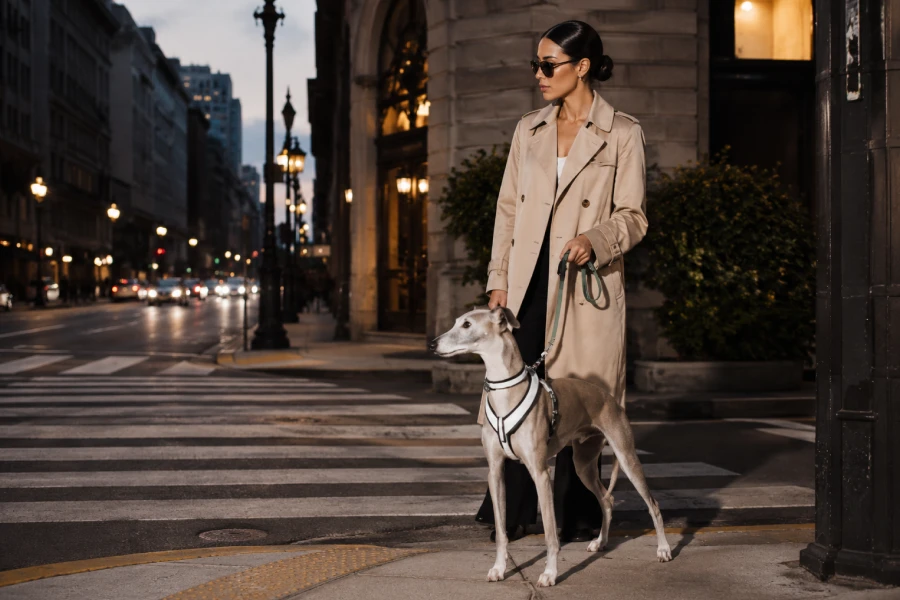
Safe dog walking habits are created long before a problem appears on the sidewalk. They come from the small decisions you repeat at home, near traffic, and around other dogs. Many owners focus only on what happens when pulling or barking begins. A more useful approach considers the moments that lead up to it. A thoughtful walk starts with preparation, awareness, and a route that fits the day. It also includes knowing when to keep moving and when to pause. You are not trying to control every sound or surprise outside. You are creating a system that gives your dog reliable support. When that system feels familiar, outdoor time can become more comfortable for everyone. Better habits build gradually through ordinary, repeatable choices.
Routes affect the difficulty level of every outing more than most people realize. A quiet residential block feels very different from a crowded commercial street. Consider traffic patterns, construction noise, narrow sidewalks, and common dog traffic. Think about where you can safely step aside if something unexpected appears. This kind of walking route planning gives you more options before you need them. Keep a few familiar routes for lower-energy or higher-stress days. Save busier places for times when your dog feels rested and responsive. It can also help to vary direction without adding too much novelty. A good route supports your dog’s confidence while keeping your choices flexible. That preparation often prevents unnecessary pressure later.
Every dog arrives at a walk with a different amount of energy. Sleep, weather, visitors, playtime, and household activity can all change the starting point. A dog who has already had a stimulating morning may need a simpler route. Another dog may benefit from a short, calm outing before a longer walk. Notice how quickly your dog settles after leaving the house. Watch whether sniffing feels relaxed or frantic. These details make it easier to adjust the day’s plan. Avoid using a single difficult walk as proof that nothing works. Patterns matter more than isolated moments. The more carefully you observe, the more useful your decisions become.
Dogs learn faster when a signal means the same thing each time. Choose simple cues that fit naturally into your normal walks. A consistent pause at curbs can create a helpful transition near roads. A gentle turn cue can make it easier to leave a difficult situation. Build your daily leash habits around words and motions you can use calmly. Avoid filling a stressful moment with too many instructions. One familiar cue is usually more useful than five new ones. Practice these signals in easier settings before relying on them in busy places. Reward cooperation quickly, even when it comes in small pieces. Repetition turns those signals into a reliable shared language.
Distance gives your dog a chance to notice something without feeling trapped by it. That may mean crossing the street when another dog appears. It may mean pausing behind a hedge while a bicycle passes. Move early whenever possible, before the leash becomes tight. Calm distance does not teach avoidance; it teaches that you can handle the moment safely. Use the extra room to watch for dog body language on walks. Look for a softer face, slower breathing, or a return of normal sniffing. Those changes tell you that your dog is recovering. You can then decide whether to continue, turn, or take a quieter route. That flexibility is a real strength, not a compromise.
Even prepared walks can include sudden noises or close encounters. The important part is what happens after that moment. Give your dog a chance to reset instead of expecting immediate perfection. A few quiet steps, a sniff break, or a turn toward home may help. Keep your response neutral so you do not add extra tension. Your dog can learn that surprises pass and support remains available. The more often recovery feels manageable, the less intimidating future walks may become. Do not measure every outing by what went wrong. Look at how quickly your dog returned to a calmer state. That is often the clearest sign of growing confidence.
Sustainable routines fit within real schedules and real neighborhoods. They allow for rainy days, rushed mornings, and changing levels of energy. You do not need to follow the same exact route daily. You do need a few dependable choices that work when life becomes busy. A stress-free dog outings approach focuses on what you can repeat without burnout. Keep your essentials ready and your expectations flexible. Review recurring challenges without blaming yourself or your dog. The Leash Walking and Outdoor Safety Guide offers a practical way to make those adjustments more intentional. Better walks are usually built through consistency, not intensity. That mindset keeps progress moving in the right direction.
Walking safely is less about mastering one perfect technique and more about building good judgment. You learn which streets feel easiest and which times create extra pressure. Your dog learns that you will notice discomfort before it becomes overwhelming. That partnership makes everyday walks feel more predictable. It also gives you more room to enjoy the quiet parts. Keep the lessons simple enough to remember when the walk gets busy. Protect calm moments instead of rushing past them. With regular practice, small choices become dependable habits. Those habits can support safer, more connected outdoor time for years. The best routine is the one that helps both of you feel ready to step outside.



Leave a comment